Transformer Engineers: Charlie Munger’s First Deal Almost Broke Him
In 1953, Charlie Munger’s first investment went from boom to broke in one year. It was the leveraged buyout that nearly cost him everything.
He was a successful attorney at Musick, Peeler & Garrett, cashing an hourly rate. Yet he had a burning desire to be rich. And fast. After hundreds of timid commutes, he decided to address himself.
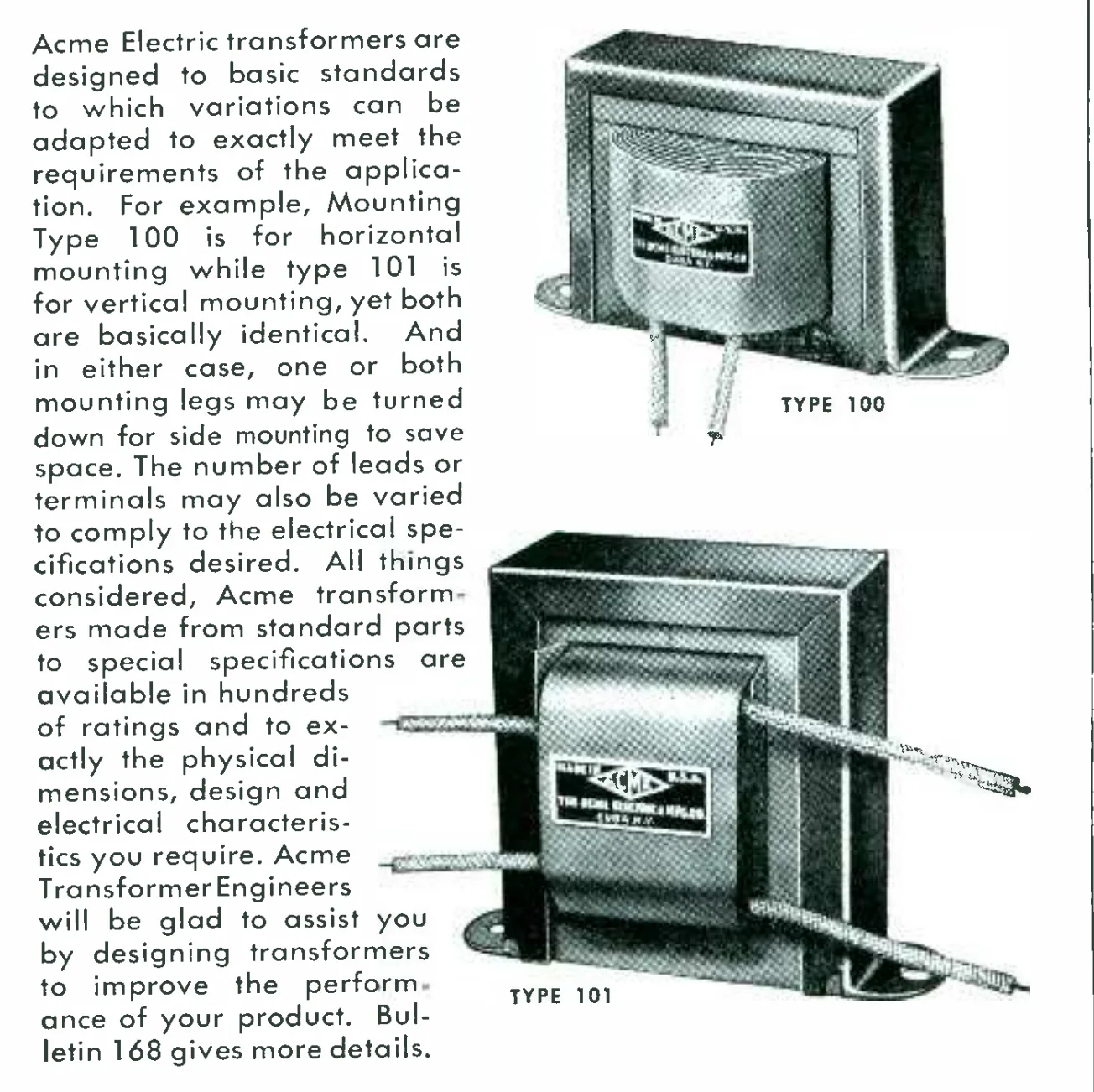
He knew Transformer Engineers and its staff intimately. They were a common job shop. Developing and manufacturing components, magnetic amplifiers, wave filters, and hermetic transformers for missile guidance and telemetry. Sold through the prime contractors in the aerospace missile defense industry. Yet this one was different than the dozens of others that had popped up in the Pasadena highways trolled by our enterprising lawyer.
Transformer Engineers employed a one Ed Hoskins. Brilliant, honest, and possessing an unrelenting inventor’s mind. Partnering with Ed was an opportunity, and a privilege.
Munger loved to tell one story that captured Hoskins’ soul. On a fishing trip in Minnesota, Hoskins pressed a guide who swore the lake was thick with muskies:
“Are any muskies caught in this lake?” asked Hoskins. “More muskies are caught in this lake than in any other lake in Minnesota. This lake is famous for muskies.” “How long have you been fishing here?” “Nineteen years.” “How many muskies have you caught?” “None.”
That was Ed. He would rather have the ugly truth than a comfortable lie. And he expected the same of everyone surrounding him.
So Charlie made a detour from his work commute right into the offices of Ed and his team. The ask was simple. Let me graduate from advisor to partner. Ed had reached a disagreement with his venture capitalists, who wanted to replace him. Very short-sighted, unlike any investor since.
In Munger’s own words:
“We worked out a deal for him to buy them out, using large amounts of credit. It was an early leveraged buyout. It was a nonlegal solution to what looked like a legal problem.”
Ed stayed in the business and Charlie became a capitalist. And now, the agony:
Post-buyout, the Korean War fired off. Transformer Engineers was booming. They hired more people, and completed more jobs to meet their customers’ needs. Business was phenomenal, until the war stopped.
In 1953, an armistice was reached. No more war, no more missiles. Customers vanished overnight, and purchase orders were not upheld. Transformer Engineers was shocked. They built up all this capacity. More employees, machinery, fixed costs, and the anchor of credit from the previously successful leveraged buyout. The business was deep in the red.
Ed worked 90 hours a week through it, designing every transformer himself:
“I can’t tell you how close we were and what a wonderful man he proved to be,” Munger said. “We had troubles that made his hair fall out.”
Compounding the high costs was the eroding pricing power. Transformer Engineers had no brand. A thin moat. All the value laid with the prime contractors. The same contractors who were squeezing common job shops at every opportunity. High fixed costs, steep revenue drops, and no path to solve either.
For years, the company had to downsize.
“A lot of struggle, a lot of nerve pain,” Munger said. “We damn near lost everything.”
It was painful, excruciating, and it’s not something that Charlie Munger would ever want to be involved with again. However, there is no other possibility, not when liquidating outright meant fire-sale prices with nothing left after the debt.
This was nothing short of a disaster.
Transformer Engineers tried to acquire their way out of this mess, a second sin. They bought William Miller Instruments, a startup building a cathode ray recording oscillograph. Munger described it later:
“my first investment with my pitiful savings. I invested right in Pasadena. It was called William Miller Instruments. And I damn near lost all my money, it was hell on earth. We just barely squeaked out with a substantial outcome. The oscillograph we’d invested in and were so proud of, somebody invented magnetic tape, and by the time it got to market we sold three. Three total in the whole country. This technology is a killer as well as an opportunity. My first experience damn near killed me.”
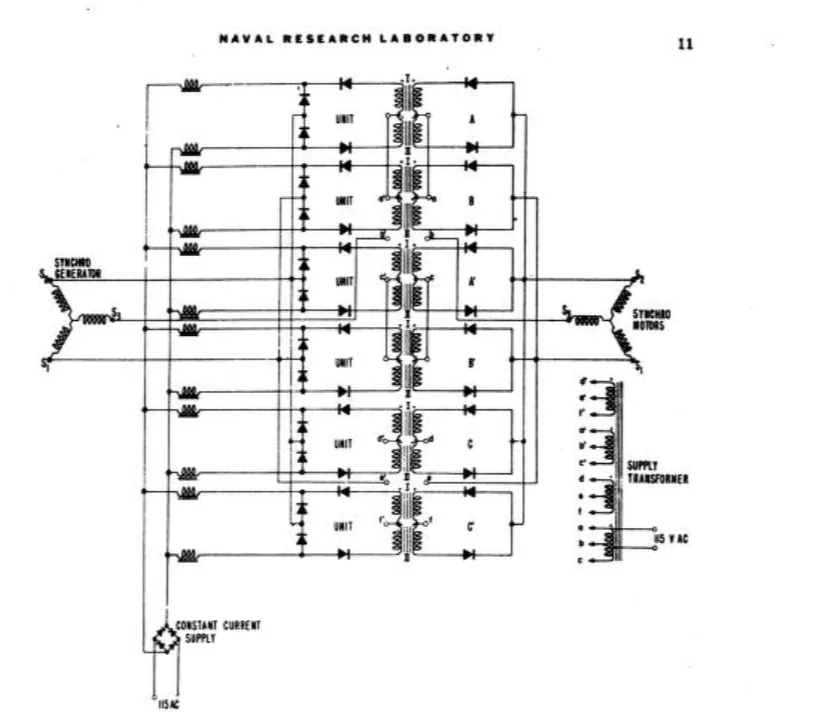
Their product toiled for years coming to market, and by the time it launched, magnetic tape had already eaten the category. This compounded their mistake, and the investment was written down to zero.
Then comes Harry Bottle. He was the legend that eventually turned around Dempster Mills, one of the Buffett Partnerships’ largest investments. He stepped up as comptroller. Harry downsized their building and moved. He cut out unprofitable clients, and moved beyond military clients into industrial ones. And clawed back profitability.
All these efforts led to an okay return by Charlie Munger’s standards. He mentioned that they eventually made some money, but that was no use pretending that this was easy for them. The investor partnership ended by 1960 or 1961 when the business was sold to Electronic Specialty Co.
“I never went back to the high-tech mode,” Munger said. “I tried it once and found it to have many problems. I was like Mark Twain’s cat that, after a bad experience, never again sat on a hot stove, or on a cold stove either.”